Keep up with news, events, and more from Beyond Bars, our partners, and allies.
- December 21, 2025
- Reflections
Idle Hands: Boredom in Carceral Spaces
by Jada Ford
“Idle hands are the devil’s playthings” was a phrase often repeated throughout my childhood. However, the idea that being inactive and without purpose invites trouble is culturally accepted–whether or not one believes in a devil at all. Despite the age-old wisdom in the aforementioned saying, incarcerated individuals are sometimes given no other choice but to be idle. Until my family member was forced to experience an amplified version of this idleness, the reality of the intense boredom in carceral spaces was not something I had previously considered.
Prison education programs and skill-building opportunities are extremely important in promoting not only better mental health but the option to pursue an activity that offers purpose, distraction, and possibility. Whether or not there is an option for reentry, investing in these programs is beneficial for everyone as boredom in prison contributes to increased tension, drug-use, and self-harm. UK artist Sarah Lucas notes, “Prison is boring as hell, passing the time is all you can do and working creatively is a way to be absorbed in something interesting.”
A few years ago, one of my close family members was incarcerated; since he had worked as a guard in two prisons before his own incarceration, he was not allowed to be near any other incarcerated individuals for his own safety. When I received my first phone call from him, I asked how he was and received an answer I didn’t expect. Would he be scared, depressed, manic? He said he was bored; socialization had been taken from him. The simple pleasure in having conversations with his peers, which could have been good for his health, was also seen as a threat to his safety.
Boredom is intensified for the elderly in nursing homes, teenagers, and additionally, those within the carceral system. Quandt and Jones reports, “Incarceration is often characterized by boredom, monotony, and lack of stimulation. Many incarcerated people have limited access to education, job training, and other programming that can fill their time and become a meaningful part of their lives.” Boredom also has various consequences on physical and mental health. “When we are bored, we act out, make unhealthy choices, or just lose interest in the world around us.”
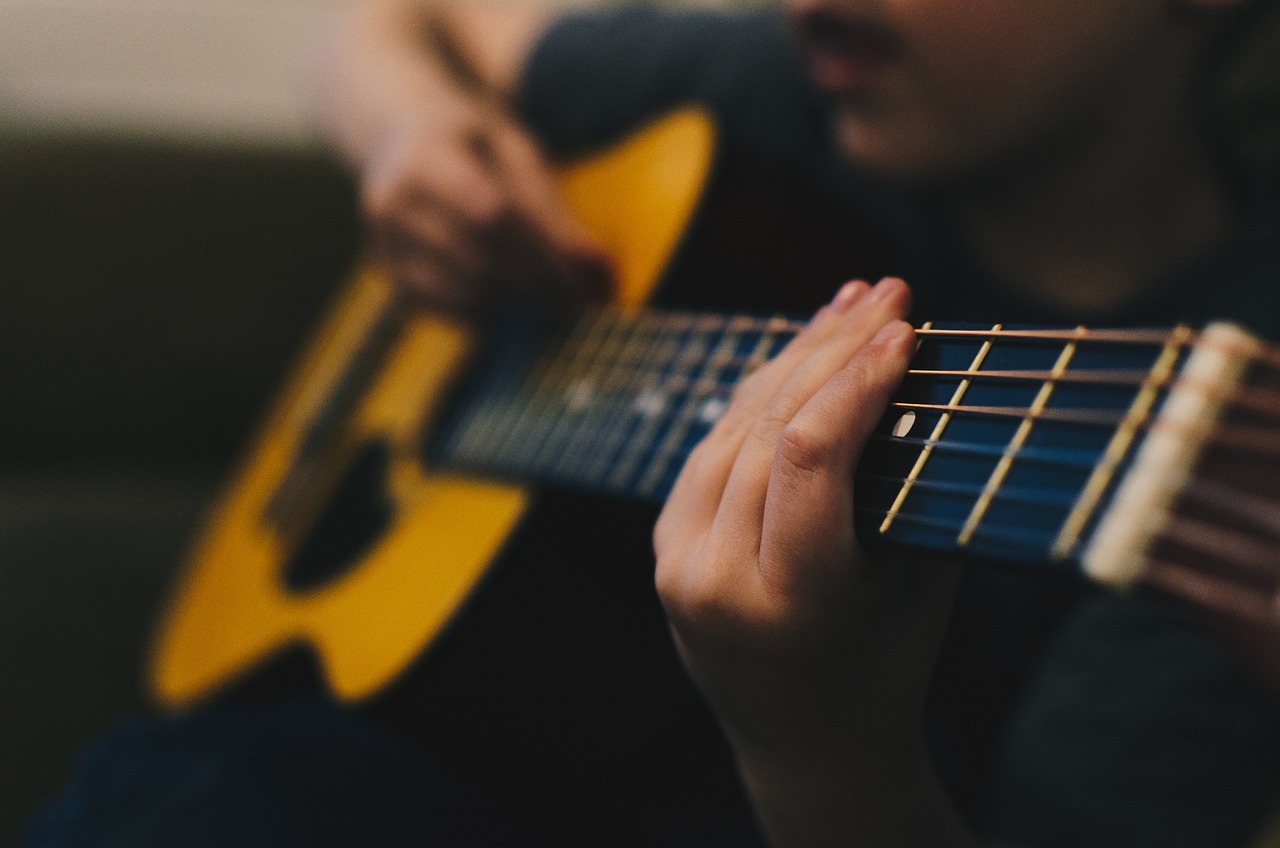
My family member is a self-taught musician with an enviable amount of skill, but there was no piano or guitar in his facility. In addition to not being able to converse with anyone, he did not have an outlet for his creative passions. To keep himself occupied, he called everyone often, and we all made sure to keep conversation light and entertaining. As much as he missed us, I understood that he just needed to do something with his hands since he couldn’t make music or talk to the people around him. After all, noise was noise and was infinitely better than monotony. The cost of these frequent phone calls was incredibly expensive. I only hope that prison education programs and skill-building opportunities are available for those who don’t have anyone they can call to pass the time.
He was incarcerated for about four months, and despite the period of isolation, he still never meets a stranger. My family member is quick to sign up for every activity, and no trip to Wal-Mart is ever tedious. He will sit in a car for hours for any slightly interesting destination. When I drive, I don’t like to listen to music, so I either listen to audiobooks or call my family and friends. Every time I call him, he thanks me even though the pleasure for the ability to call him first is one of my favorite things in life.
Photo courtesy of Pixabay.

About The Author:
Jada Fordis a poet and writer set to graduate with an MFA in Fiction Writing in Spring 2024. She is the communications specialist for Beyond Bars and an editor at Five Points. Her work, inspired by religion and Black girls who live in small towns, can be found in Passages North, Mistake House, The Lumiere Review, and in her collaborative zine HOT PROPAGANDA.